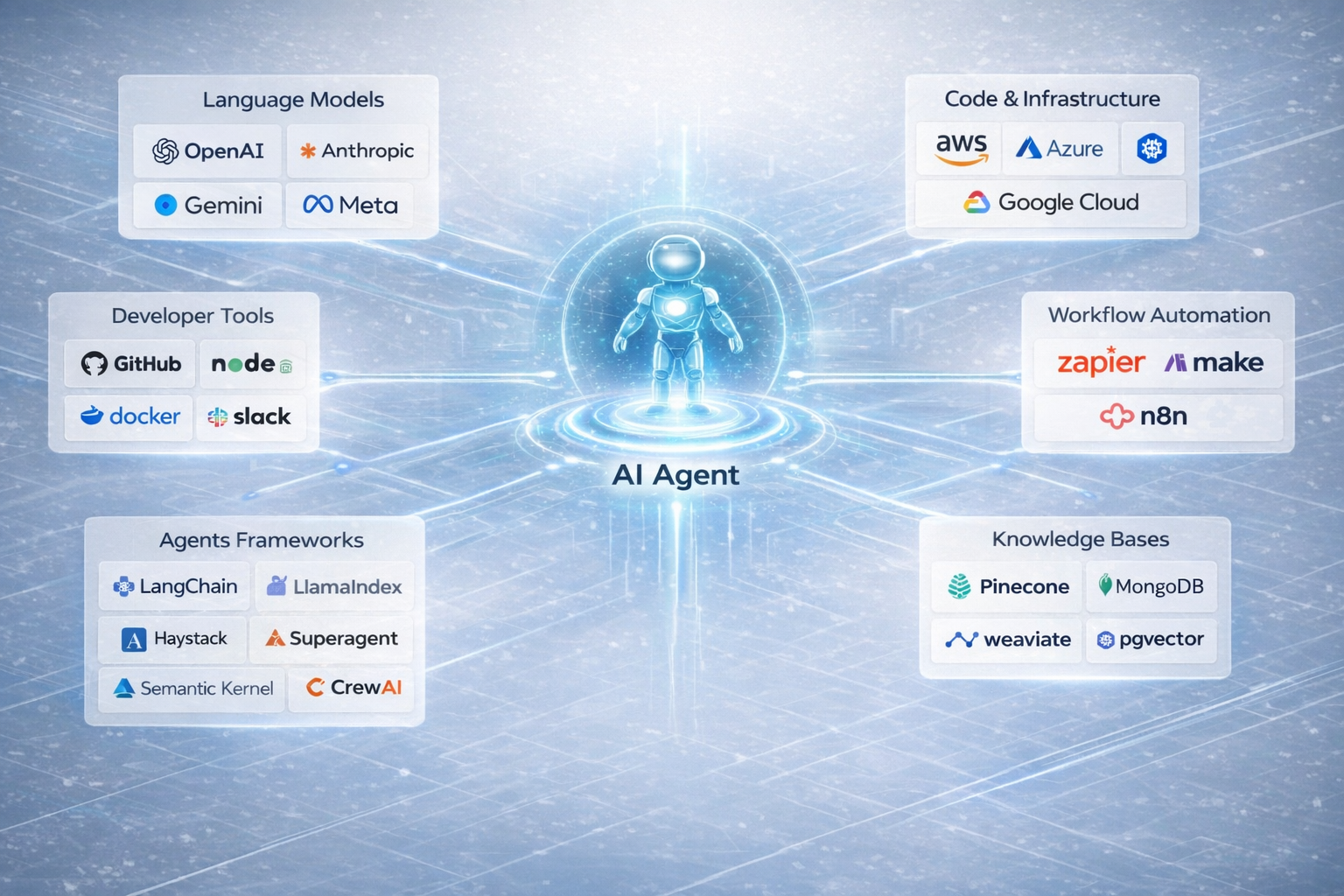
AI Agents Built for Engineering Workflows
Gripo agents are workflow-native. Build with a prompt, knowledge, and skills, then deploy as a step in any automation. No integration code. No manual handoffs.

"We replaced three internal bots with a single Gripo agent. It reads our runbooks, calls our APIs, and files incidents automatically."
@media organization
STAFF PLATFORM ENGINEER @DEPLOYFASTDefine how your agent thinks and decides with system prompts. Set guardrails, control behaviour, and shape responses for any scenario.
Ground responses in your runbooks, API docs, and incident logs. Semantic search at runtime, no hallucinations, no guesswork.
Give agents reusable skills: query APIs, run scripts, restart pods, update tickets. Build once, use from any agent in any workflow.
Drop agents into any workflow as native activity nodes. They receive context, execute, and pass structured output to the next step.
Agent Builder: Compose Once, Deploy Anywhere
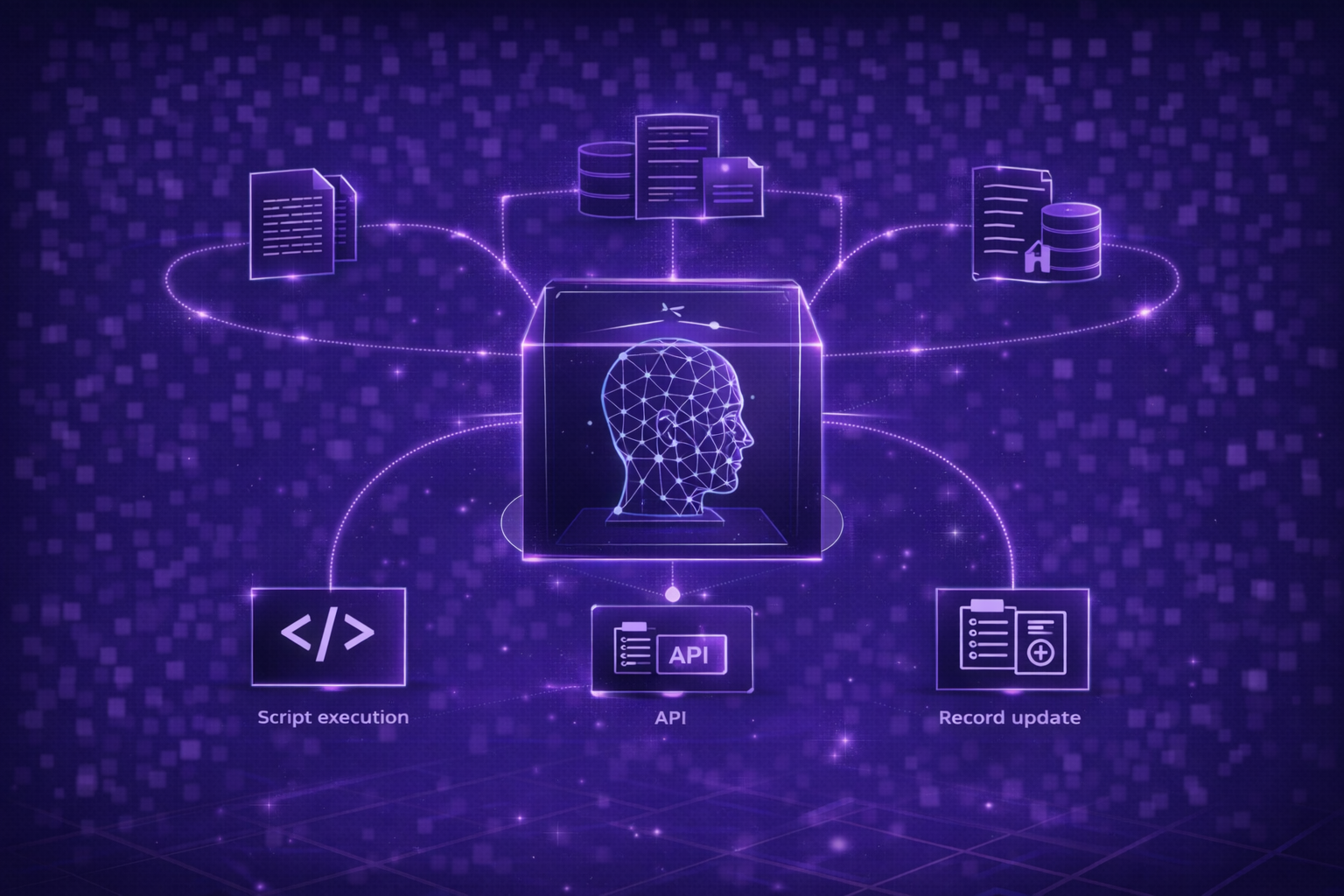
Define how your agent thinks with a system prompt. Attach one or more knowledge bases so it reasons from your data. Assign reusable skills — API calls, script executions, record updates — that the agent can invoke at runtime. Connect persistent memory for context that carries across workflow runs. The result is a single, reusable agent unit you can drop into any automation.
Knowledge Base: Answers Grounded in Your Data, Not Guesswork
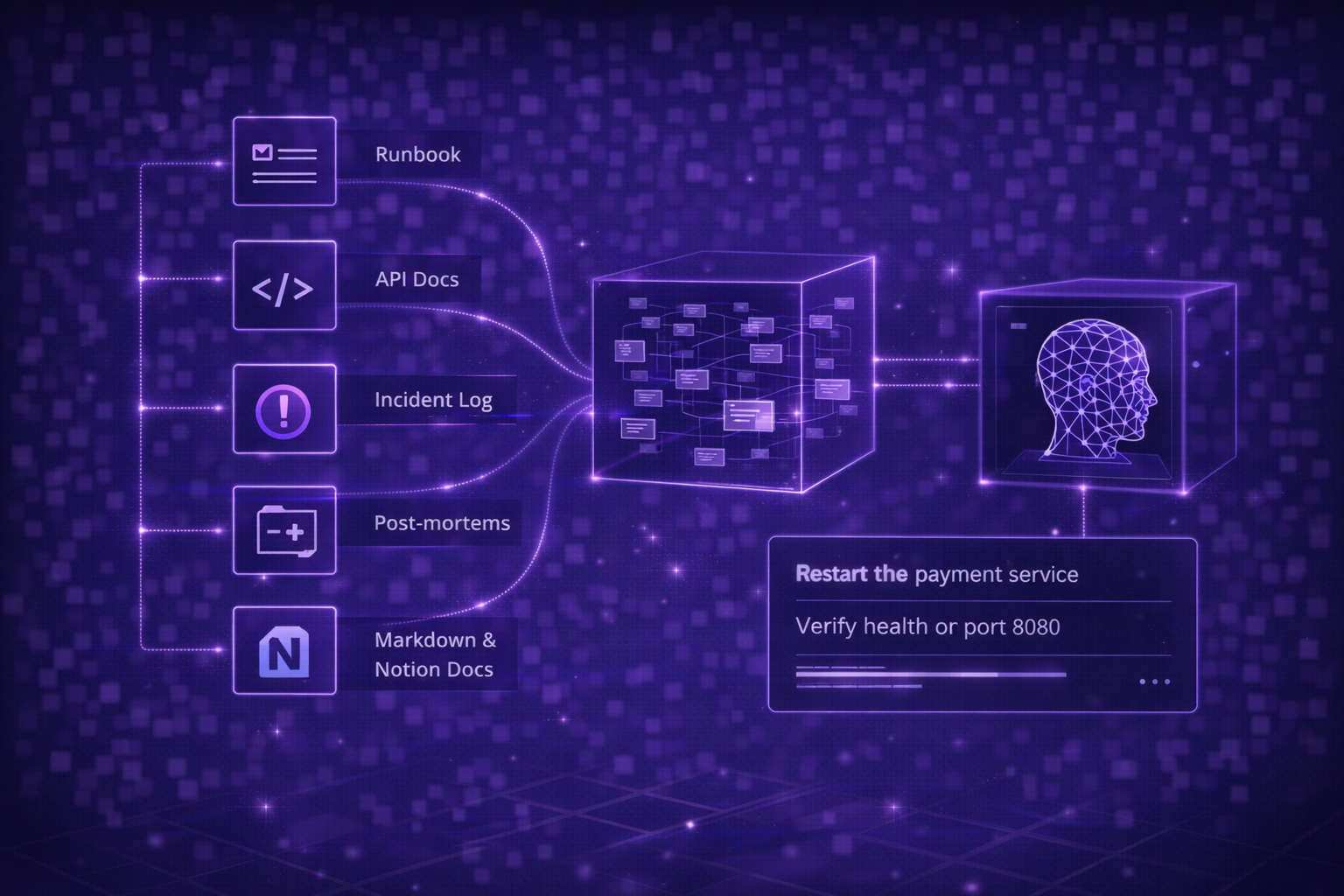
Connect your runbooks, API documentation, incident logs, post-mortems, or any internal Markdown and Notion docs. Gripo chunks, embeds, and indexes your content into a vector store. At runtime, the agent performs semantic search to retrieve exactly the context it needs then generates responses grounded in your actual documentation.
No hallucinations. No generic responses. When your agent says restart the payment service and verify health on port 8080, it's because that's what your runbook says to do
Workflow Integration: Agents as Native Automation Steps
Your agent isn't a standalone chatbot sitting in a sidebar. It's a native workflow activity that receives structured context from the previous step, reasons through the problem, calls skills to take action, runs scripts in the sandbox if needed, and passes structured JSON output to the next node.
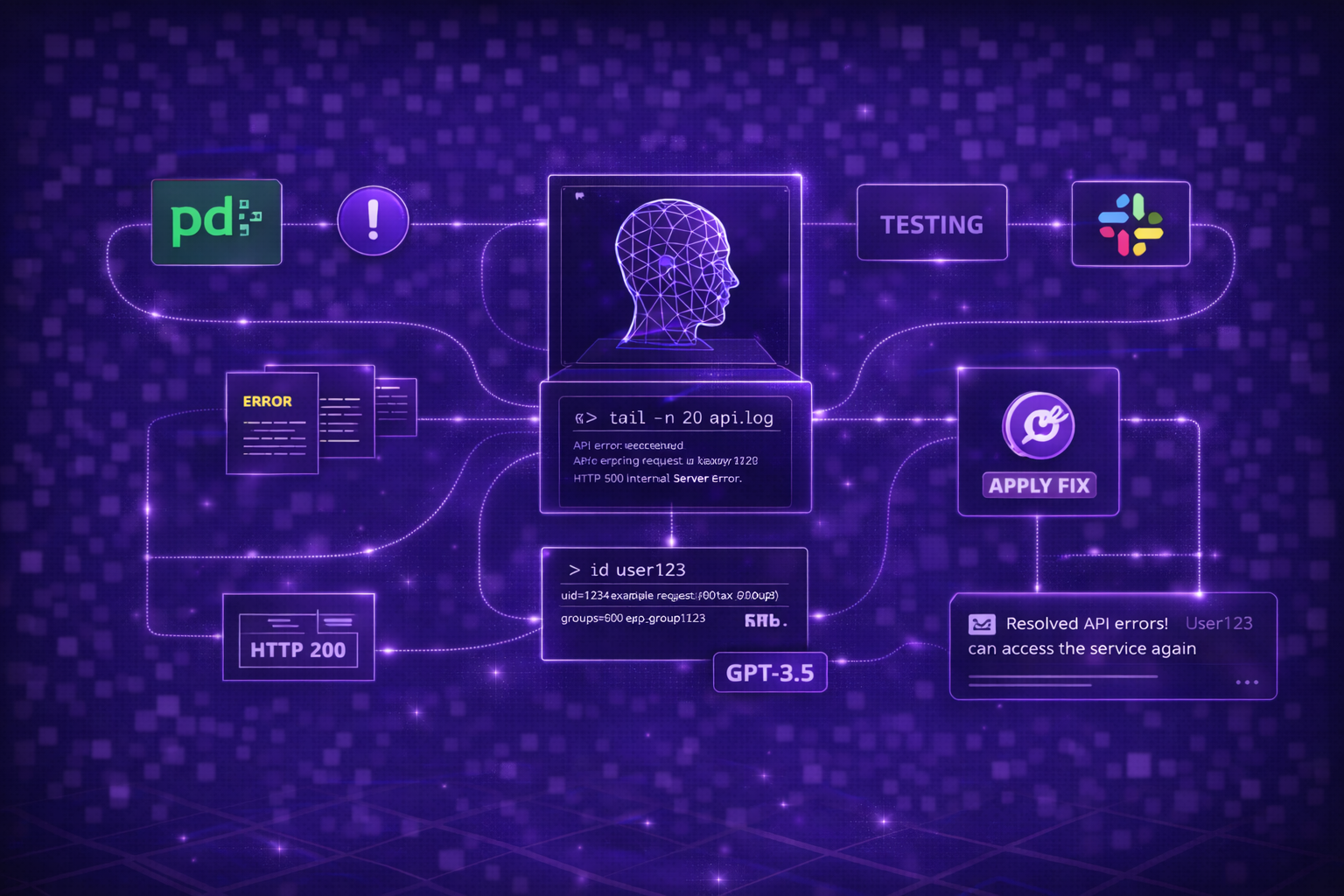
An agent responding to a PagerDuty alert can check your runbooks, run diagnostic commands, identify the root cause, execute the fix, verify recovery, and notify your team all as steps in a single automated workflow. No manual intervention. No context-switching