
In today’s fast-moving digital economy, businesses need to Introduction
In today’s fast-moving digital economy, businesses are under constant pressure to deliver software faster, with fewer errors, and at large scale. Customers expect instant updates, smooth performance, and zero downtime, which makes traditional development models less effective. Many organizations struggle with delays caused by manual processes and disconnected teams.
This is where DevOps consulting services play a major role. They help companies improve collaboration between development and operations teams while introducing automation and modern workflows. In this blog, you’ll learn how DevOps directly improves productivity with real-world examples and practical insights.

What Does Productivity Mean in DevOps?
In DevOps, productivity is not just about doing more work—it is about delivering software faster, safer, and with fewer resources. It focuses on reducing manual effort, improving release speed, and increasing system reliability. Instead of long development cycles, teams move toward continuous delivery.
This shift allows businesses to release updates more frequently while maintaining quality. Productivity in DevOps means achieving better results with less friction, fewer errors, and faster feedback loops across teams.
Why Most Teams Struggle With DevOps Productivity
Many organizations struggle with productivity because their tools, teams, and workflows are not connected. Developers work separately from operations teams, leading to delays and miscommunication. Each stage of development depends heavily on manual approvals and handovers.
This disconnected structure slows down the software development lifecycle (SDLC). Without automation and collaboration, teams spend more time fixing issues than building new features. This is one of the biggest reasons companies fail to achieve DevOps efficiency.

Eliminating Manual Work With Automation
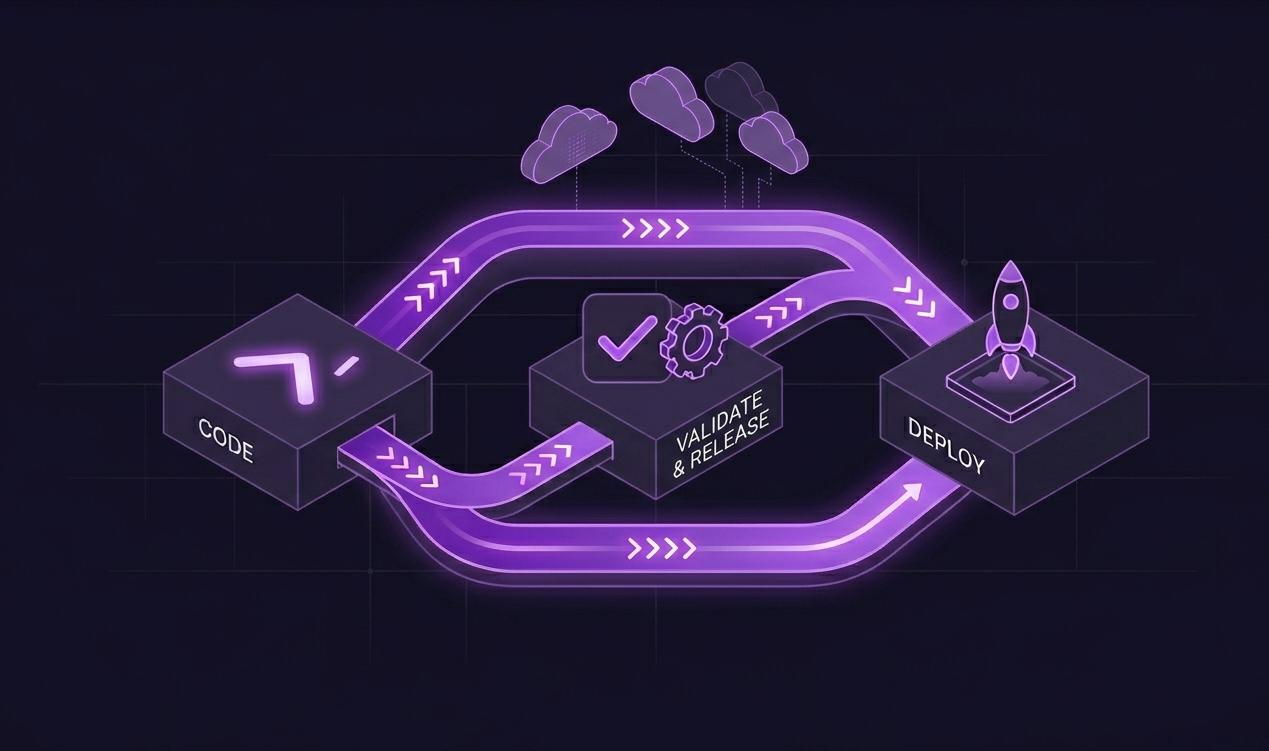
A major productivity boost in DevOps comes from automation. Instead of manually testing code or deploying applications, automated systems handle these tasks seamlessly. Once code is committed, it automatically goes through testing, validation, and deployment.
This reduces human effort and minimizes errors caused by manual intervention. Teams no longer need to repeat the same operational tasks, allowing them to focus on innovation and product improvement. Automation becomes the backbone of DevOps efficiency.
Faster Releases With CI/CD Pipelines
DevOps introduces CI/CD pipelines (Continuous Integration and Continuous Delivery), which completely transform how software is delivered. Every code change is automatically built, tested, and deployed through a structured pipeline.
This eliminates long release cycles and reduces dependency on manual approvals. Businesses can now release features in hours instead of weeks. Faster releases mean quicker customer feedback and better adaptability to market changes.
Better Collaboration Between Development and Operations
One of the biggest improvements DevOps brings is breaking the barrier between development and operations teams. Instead of working in isolation, both teams collaborate throughout the entire software lifecycle.
This shared responsibility improves communication, reduces friction, and speeds up decision-making. When teams work together, problems are solved faster, and delivery becomes more consistent and reliable.
Reducing Errors With Continuous Testing
DevOps strongly focuses on continuous testing, where every code change is tested automatically during development. This ensures that bugs are detected early instead of reaching production.
Early detection reduces rework, saves time, and improves software quality. It also ensures that applications remain stable and reliable even after multiple updates, making releases more predictable and secure.
Scaling Faster With Cloud Infrastructure
Modern DevOps consulting heavily relies on cloud infrastructure such as AWS, Azure, or Google Cloud. These platforms allow businesses to scale resources up or down based on demand.
This flexibility ensures smooth performance even during traffic spikes. It also reduces infrastructure costs because companies only pay for what they use. Cloud scalability plays a key role in improving DevOps productivity and business agility.
Real-Time Monitoring and Faster Issue Resolution
DevOps systems continuously monitor applications and infrastructure in real time. This means businesses don’t have to wait for users to report problems. Instead, issues are detected instantly through monitoring tools.
Alerts are triggered immediately when performance drops or errors occur. This allows teams to fix issues before they impact users, reducing downtime and improving system reliability. Proactive monitoring is a key factor in maintaining high productivity.

Standardized Workflows Across Teams
DevOps consulting also helps organizations standardize workflows using consistent tools and processes. This removes confusion and ensures that every team follows the same delivery pipeline.
Standardization improves efficiency, reduces errors, and makes onboarding new team members easier. It also ensures that projects scale smoothly without losing consistency across teams and environments.
Real Example: Before vs After DevOps
Before DevOps, software deployment often took days or even weeks due to manual testing, approvals, and fragmented workflows. Teams struggled with delays and production errors.
After implementing DevOps, the same process can take only a few hours. Automated pipelines handle testing and deployment, reducing human effort and increasing release speed. This transformation leads to a significant boost in productivity and customer satisfaction.
How to Implement DevOps for Better Productivity
The first step in implementing DevOps is identifying bottlenecks in existing workflows. After that, repetitive tasks like testing and deployment should be automated using CI/CD pipelines.
Next, organizations should introduce monitoring tools to improve visibility and system performance. Finally, teams should continuously optimize workflows based on feedback and performance data.
Where DevOps Productivity Efforts Fail
Many organizations struggle with DevOps adoption because they lack a clear strategy and rely on complex, disconnected systems. Teams often deal with multiple processes that don’t work well together, creating confusion and slowing down workflows. Instead of improving efficiency, this adds unnecessary complexity and delays. As a result, productivity drops and teams spend more time managing processes than delivering value.
Another common issue is resistance to cultural change. Without proper training and alignment, teams struggle to adopt DevOps practices effectively. A clear strategy and gradual implementation are essential for success.

How GripoFlow Improves DevOps Consulting Companies Productivity
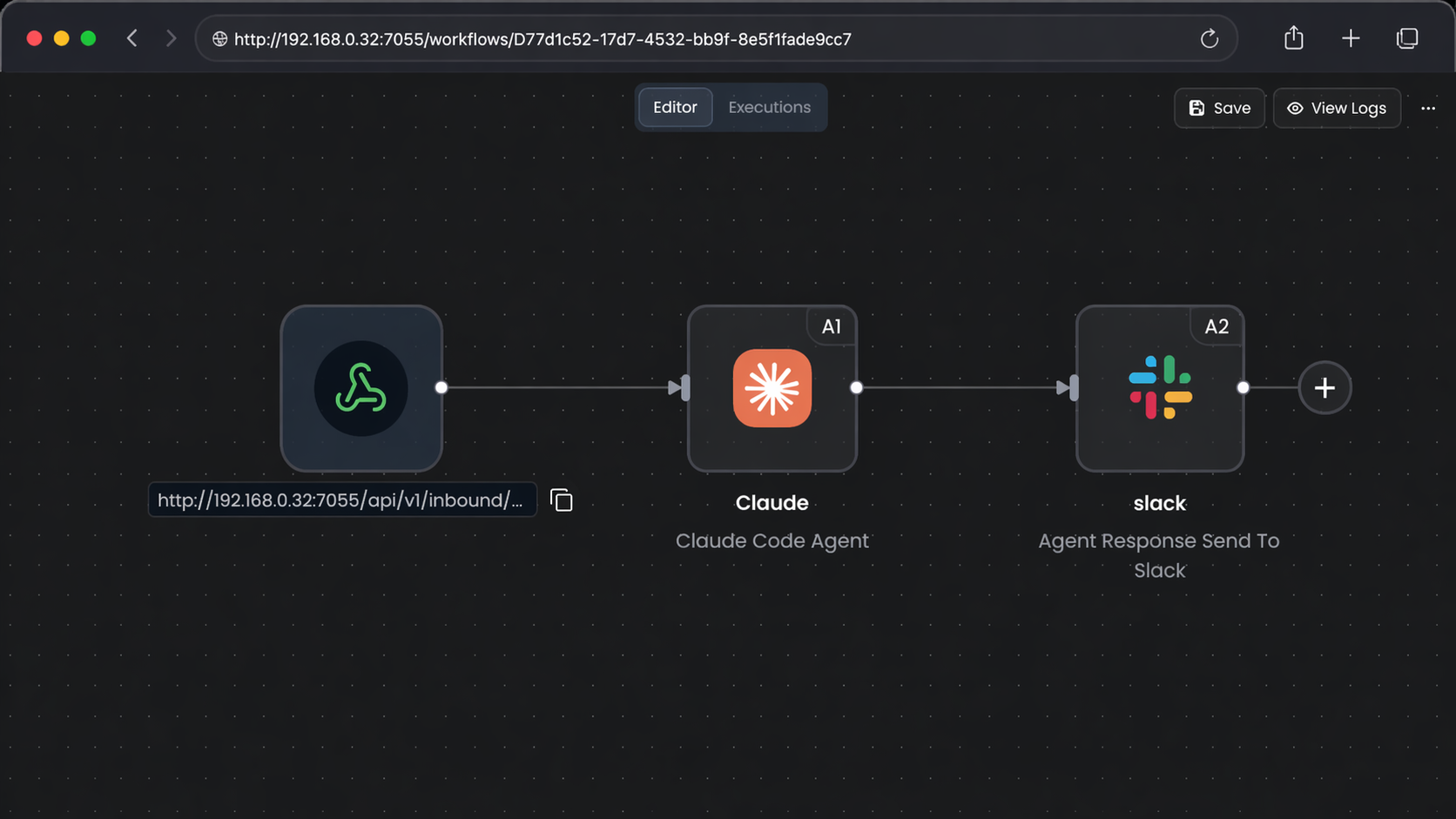
GripoFlow takes DevOps productivity further by making automation simple and visual. Instead of writing complex code, teams can build workflows using a drag-and-drop interface. It also allows DevOps consulting companies to create a single reusable workflow that can be used again and again with minor changes for security or project needs. This approach saves both time and cost while ensuring consistency and faster execution across multiple projects.
Tasks like integrations, deployments, notifications, and data flow automation become much easier. This reduces dependency on engineering teams and speeds up execution across departments. GripoFlow brings powerful automation closer to business users.
Conclusion
DevOps consulting improves productivity by automating workflows, improving collaboration, and speeding up software delivery cycles. It helps businesses reduce manual effort, minimize errors, and scale more efficiently in competitive markets.
When combined with modern automation platforms like GripoFlow, DevOps becomes even more powerful and accessible. The result is faster innovation, smoother operations, and sustainable business growth in today’s digital-first world.
FAQ: DevOps Consulting and Productivity
1. What does a DevOps consulting company do?
A DevOps consulting company helps businesses improve how their software is built, tested, and delivered by using automation, better collaboration, and modern tools.
2. How does DevOps improve productivity?
DevOps improves productivity by reducing manual work, speeding up software releases, improving communication between teams, and automating repetitive tasks.
3. Is DevOps only about tools?
No, DevOps is not just about tools. It is also about culture, teamwork, and improving the way development and operations work together.
4. Why is automation important in DevOps?
Automation reduces human errors, saves time, and allows teams to focus on important tasks instead of repetitive manual work.
5. How does cloud computing help DevOps?
Cloud computing helps DevOps by providing flexible, scalable, and cost-efficient infrastructure that can grow or shrink based on demand.